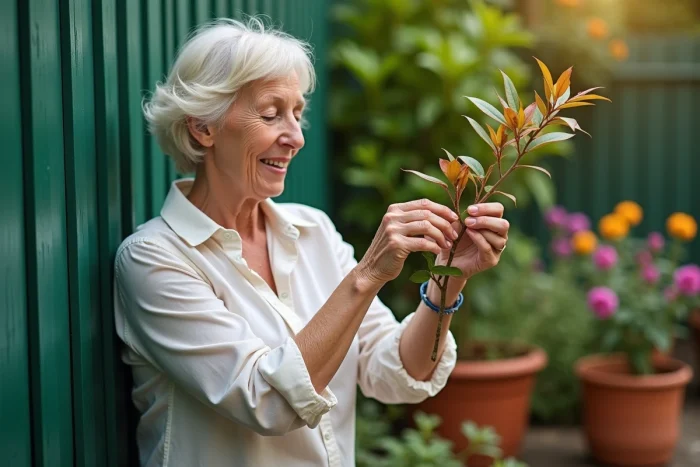
The appearance of brown leaves on a oleander does not always indicate a deficiency or improper watering. Some fungal diseases take advantage of the summer heat to settle in, rendering traditional treatments ineffective. Maintenance errors, although common, are not the only factor at play.
Some pests go unnoticed until advanced symptoms appear. Early intervention, combined with appropriate actions, often prevents worsening and allows the plant to regain vigor during the hot season.
Why do oleander leaves turn brown in summer?
The oleander, accustomed to the scorching summers of the South, is not immune to the sun’s onslaught. When the heat sets in and rain becomes scarce, the leaves turn brown, a sign that the plant is drawing on its last reserves to survive. Water stress begins to set in. If the heatwave drags on, sap circulation slows, photosynthesis falters, and the foliage eventually dries out or falls off. Too much water weakens the roots, too little exhausts the plant: the balance is delicate, and every excess comes at a cost.
To treat the brown leaves of the oleander, it is essential to be precise: adjust the amount of water according to the weather, no more, no less. Controlled watering also prevents premature yellowing of the foliage and limits risks for the plant.
It is rare for oleanders to turn brown for a single reason. Several factors combine, as illustrated by this list:
- Soil that is too compacted or retains water,
- exposed location without shade,
- old plants struggling to recover from repeated blooming
Each of these elements weakens the plant. Carefully observing each symptom helps to pinpoint the cause and react promptly. In summer, even the slightest misstep is noticeable: the oleander grants no respite to the distracted gardener.
What actions to take against the most common diseases and pests?
As summer sets in, the oleander attracts its share of invisible enemies. Aphids and mealybugs attack young shoots and excrete a sticky honeydew, creating an ideal environment for sooty mold, that black coating that suffocates the leaves. Spider mites, barely visible, pierce the foliage and leave behind discolored spots.
On the bacterial side, Pseudomonas savastanoi causes the infamous galls, identifiable by their swellings on the wood. Fungi are no less problematic: powdery mildew, leaf spots (Alternaria, Cercospora, Ascochyta…) and Phytophthora, responsible for root rot, increase damage, especially if the soil remains waterlogged.
In the face of these threats, one must sharpen their observation skills: inspect the undersides of leaves, track spots and colonies, and notice any deformations. Encouraging beneficial insects, like ladybugs, which naturally limit aphid populations, proves rewarding. Well-aerated, well-drained soil limits fungal proliferation and slows water stagnation, thereby reducing risks for the roots.
Regular pruning during dry periods helps to aerate the branches and limit the spread of diseases. At the first signs of infestation, removing affected parts and disinfecting tools is a habit to adopt. Allowing an attack to linger risks seeing the plant decline and lose its vigor throughout the season.
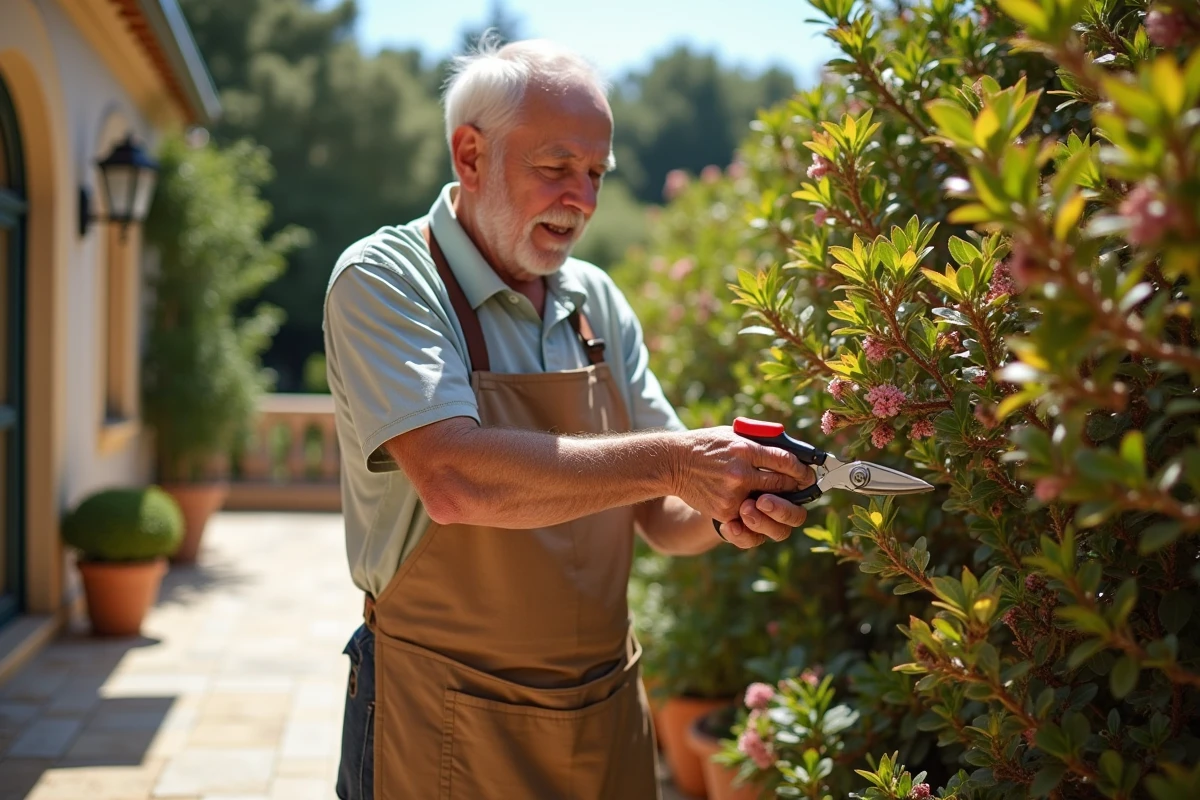
Simple tips to restore vigor and brightness to your oleander
During the summer, a healthy oleander requires regular attention and a few precise actions. For watering, prefer the evening, directly at the base of the plant: this limits evaporation and avoids wetting the foliage, which slows the progression of fungal diseases. Good soil drainage remains the best defense against root rot. Maintaining a proper water supply prevents stress and limits the appearance of brown leaves.
Here’s how to adjust your watering routines:
- Test the soil’s freshness by inserting your finger a few centimeters deep: the soil should remain slightly moist.
- Adjust the frequency according to the weather: two waterings per week during extreme heat, just one if the temperature drops.
Pruning occurs after flowering or at the end of winter. Remove damaged stems and aerate the shrub’s structure. This action limits the spread of sooty mold and fungal diseases. To combat aphids or mealybugs, spray a solution of black soap, which is safe for beneficial insects in the garden. In case of powdery mildew, baking soda proves effective: one teaspoon in a liter of water, to be applied early in the morning.
If brown spots persist, Bordeaux mixture remains a solution against bacterial or fungal diseases, provided that usage recommendations are followed. An application of organic fertilizer in spring and summer supports growth and blooming. A well-nourished, well-watered, well-pruned oleander will endure the hot season without weakening and regain its brilliance. The foliage will green up, and the flowers will bloom again: the promise of a summer where vigor reclaims its rights.