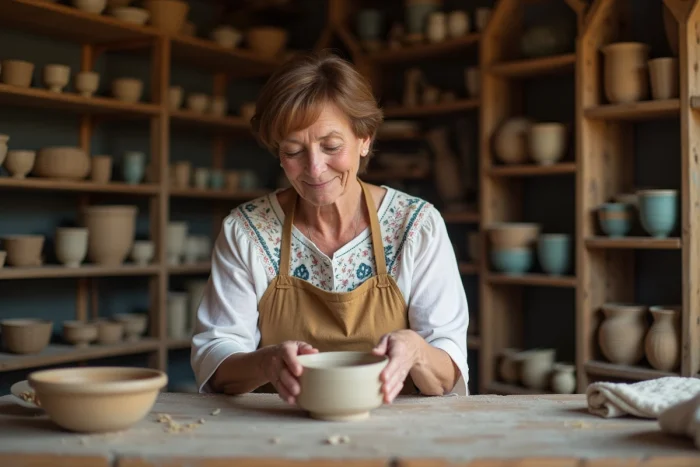
The Breizh Fab cooperative has risen among the few structures to obtain the ESS certification in Brittany while showing a growth of 7% in a regional market known for its fierce competition. This model now attracts local communities eager to combine economic benefits with social commitment.
The Breton Purchasing Fair, held annually in Rennes, has seen a continuous increase in participation from producers and visitors since 2021. This dynamic reveals a gradual shift in priorities, favoring responsible consumption patterns and a more resilient local economy.
Social and Solidarity Economy in Brittany: An Innovative Response to Market Challenges
The Brittany Region is deploying a range of measures to encourage the growth of a circular and solidarity-based economy, driving concrete changes in the territory. With each regional support, the requirement is clear: to display institutional backing and showcase the regional logo on materials, thus marking a shared and visible commitment. To honor volunteer engagement, the Region disseminates its “volunteers BZH” logo. It is much more than a label: a distinctive sign for locally invested actors, a marker for those who wish to support community life.
The Creators’ Supermarket, an event hosted in Rennes by the General Council 35 and Elan Créateur, embodies this breath of Breton creativity. On-site, creators, artisans, and local producers present their projects to the public and meet each other. The support network is expanding thanks to solidarity structures, each playing its role: BGE 35 guides and trains creators, ADIE opens the doors to microcredit, Présol develops solidarity savings, Cigales invests in innovative initiatives. These networks combine resources and ideas to tackle local challenges and stimulate the invention of tailored solutions.
The Crédit Mutuel de Bretagne lends its exhibition hall, the University of Ker Lann organizes communication: together, private actors and institutions forge alliances that give substance to the social and solidarity economy. Launching a project in Brittany means integrating into a dynamic network where project holders, structures, communities, and businesses move in the same direction, driven by the desire to invent other models.
Want to understand this dynamic or get involved? discover Breizh Equitable, it’s about engaging in a process where every actor counts and where solidarity fuels innovation, day after day.
Why Supporting Local Craftsmanship Changes the Game for Producers and Consumers
Local craftsmanship now goes beyond the simple production of objects or food products. It becomes a concrete lever in response to the imperatives of ecological transition and heritage preservation. With each initiative, producers and consumers establish new economic habits. Choosing a local creation means betting on proximity, traceability, and a fair price.
Local producers see their know-how recognized and valued. Fair trade practices ensure respect for human rights, the environment, and provide stability that encourages the creation of sustainable jobs. Labels like Max Havelaar confirm these commitments, reassuring buyers about the origin and quality of products.
On the consumer side, the Breton resident takes an active role. Committing to fair craftsmanship helps limit the carbon footprint, supports healthier food, and participates in a circular economy. This dynamic touches on food, decoration, textiles, and accessories: every purchase contributes to shaping a solidary, vibrant, and authentic territory.
Here are some direct impacts of this approach:
- Strengthening Breton identity and enhancing artisanal heritage
- Fewer intermediaries, better remuneration for creators
- Active support for environmental preservation
The trust relationship woven between artisans and clients paves the way for more transparency and innovation. Short circuits, where producers and consumers meet directly, lay the foundations for a human-centered economy capable of lasting.
The Breton Purchasing Fair: A Concrete Meeting to Consume Differently
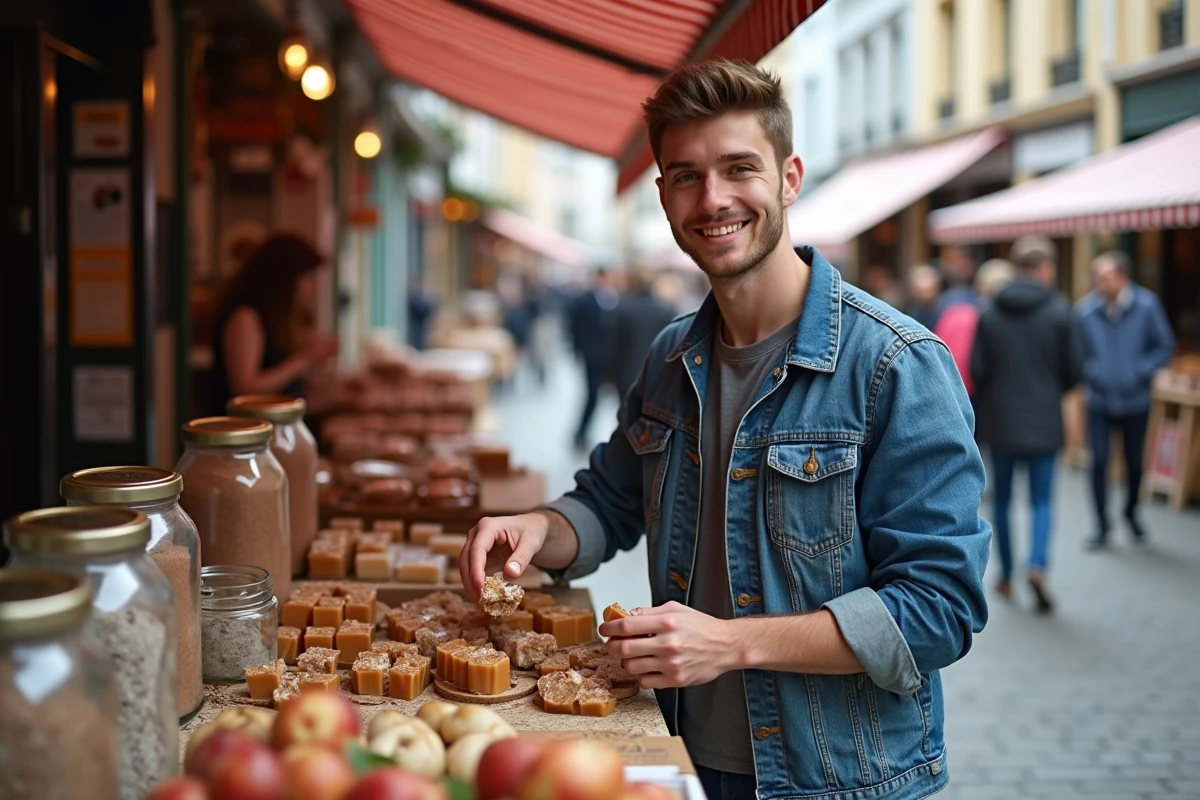
In Rennes, the Creators’ Supermarket stands out distinctly: here, the Breton product is not just displayed, it circulates, it is exchanged, it tells a story. The local currency GALLECO is accepted as payment, a strong symbol of a firm territorial anchoring and a desire to relocalize the economy. This fair is nothing like a traditional market. It brings together local producers, artisans, and associations, all mobilized to defend a different way of consuming, far from standardization.
The Brittany Region leads such initiatives, uniting agricultural chambers, the Regional Chamber of Trades and Crafts, the regional CCI, as well as networks like Breizhmer or Produit en Bretagne. The goal? To build direct links between those who produce and those who choose to buy locally. The activities go well beyond simple sales: demonstrations, collaborative workshops, round tables on the Brittany circular economy, everything is designed to create connections and foster exchange.
The Creators’ Supermarket offers an experience where local craftsmanship takes on full significance: proximity, authenticity, unfiltered dialogue. Consumers discover products stemming from regional know-how, interact with creators, and grasp the stakes of responsible food. Supported by the Brittany Region and its partners, this event breathes life into local agriculture and craftsmanship, strengthening the vitality of sectors in the territory.
At a time when consumption choices shape the future of a region, every local initiative resonates with Brittany in a different way. The story continues, carried by those who believe in it and make it live, day after day.