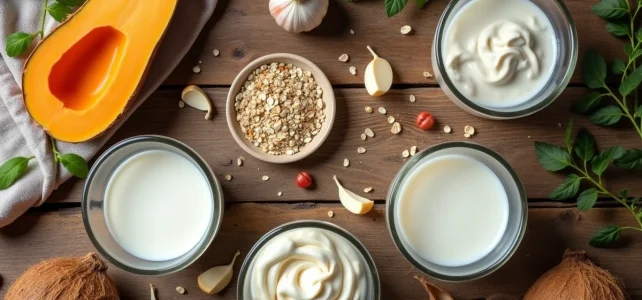
Replacing coconut in a savory dish does not mean finding an ingredient with the same taste. The question is more about the role that coconut plays in the recipe: the fatty binder in a curry, the creaminess of a sauce, the texture of a garnish.
Depending on the intended function, the alternatives can vary greatly. In recent years, the range of plant-based creams designed for savory dishes has significantly expanded, opening up avenues that classic recipes did not consider.
Related reading : How to Succeed in Blogging and Grow Your Female Audience
Lipid profile of coconut and implications for choosing a substitute
Coconut, in the form of milk or cream, is distinguished by its very high content of saturated fatty acids. This lipid profile explains two things: its stability during cooking (saturated fats do not easily degrade at high temperatures) and its thick, almost creamy consistency, even without added emulsifiers.
Choosing a substitute without considering this parameter often leads to a sauce that is too runny or a dish that lacks body. Light plant milks (rice, non-concentrated almond) add volume but not structure. In contrast, cashew cream or thick soy cream behaves more like coconut milk during cooking.
See also : The best strategies to succeed in your real estate investment in 2024
From a nutritional standpoint, several health sheets updated in recent years recommend, for frequent daily use, prioritizing creams made from nuts or grains to reduce saturated fat intake. This is a significant argument for those who cook curries or soups with coconut milk several times a week. To delve deeper into this topic, Journal Global’s solutions detail suitable substitutes for each type of savory preparation.

Cashew cream and oat cream: two substitutes for sauces and curries
Cashew cream, made by blending soaked cashews with water, produces a dense and slightly sweet result. In Thai or Indian curry, it absorbs spices well and does not clash with acidity (tamarind, tomato). Its texture is closest to that of concentrated coconut milk.
Oat cream, which has appeared widely on the market in recent years, offers a different profile. Its taste is more neutral than that of cashew, making it suitable for dishes where coconut primarily served as a fatty base without a dominant flavor. However, it tends to thicken more at the end of cooking. It is necessary to adjust the amount of water or broth to maintain the desired fluidity.
When oat cream reaches its limits
In recipes that require long reductions (stews, braises), oat cream can become sticky. The proteins and beta-glucans in oats gel under prolonged heat. For these preparations, it is better to add oat cream at the end of cooking, off the heat, and stir immediately.
Alternatives to replace shredded coconut in savory dishes
Shredded coconut does not play the same role as milk. It adds crunch, a slight chewiness, and a subtle aroma. In a savory dish (breaded fish garnish, dry curry topping, stuffing), the substitute must replicate this dry and granular texture.
- Slivered almonds, lightly toasted in a pan, offer a comparable crunch with a rounder flavor. They work well in composed salads and tagines.
- Panko breadcrumbs, mixed with a drizzle of olive oil and baked, create a golden crust that replaces shredded coconut in fish or vegetable gratins.
- Toasted sesame seeds provide a fine texture and a nutty aroma that pairs well with Asian cuisines without breaking the flavor profile.
None of these options exactly replicate the aroma of coconut. The goal is to replace the function, not the flavor. If you miss the tropical taste, a few drops of natural coconut flavoring are enough to bridge the gap without reintroducing the ingredient itself.
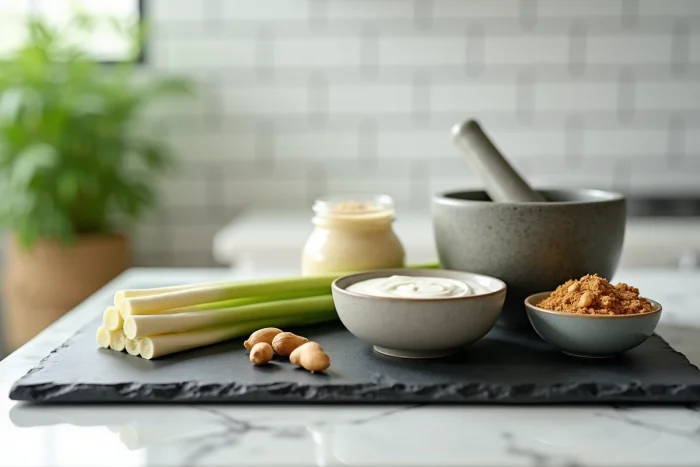
Thick soy milk or plant-based cream cheese: less obvious options
Thick cooking soy milk remains an underestimated substitute. Its protein content allows it to withstand heat without separating, a common issue with standard rice or almond milk. In a satay sauce or squash velouté, it provides a creamy and stable result.
Plant-based cream cheese (such as cashew or soy-based cream cheese) is another option for thick sauces. Diluted in broth, it produces a creamy base similar to reduced coconut milk. This technique works particularly well in Indian-inspired dishes where the sauce needs to coat without running.
Adjusting proportions according to the recipe
A standard coconut milk contains about a quarter of fats. Commercial plant creams have varying fat contents, sometimes two to three times lower. To compensate, there are two options:
- Add a tablespoon of neutral oil (sunflower, canola) to the sauce to regain the fatty and satisfying aspect.
- Use a “cooking” or “cream” version of the chosen plant milk, formulated with more fat.
- Reduce the total amount of liquid in the recipe to concentrate the texture without multiplying the additions.
Field feedback varies on this point: some cooks find that a simple addition of oil is sufficient, while others prefer to rely directly on homemade cashew cream, which is richer by nature.
The choice of a substitute for coconut in savory dishes depends less on taste than on cooking behavior and the desired final texture. Testing with a small amount before adapting the entire recipe remains the most reliable method to avoid unpleasant surprises in sauce.